Water offsets for the AI buildout
Remove the plant that is drinking the river.
Data centers are becoming a major new water load. Salt cedar is already consuming scarce riparian water across the Rio Grande. Kineo Earth is building autonomous robots to remove salt cedar at scale and convert restoration work into clear, acre-based water offsets.
The imbalance
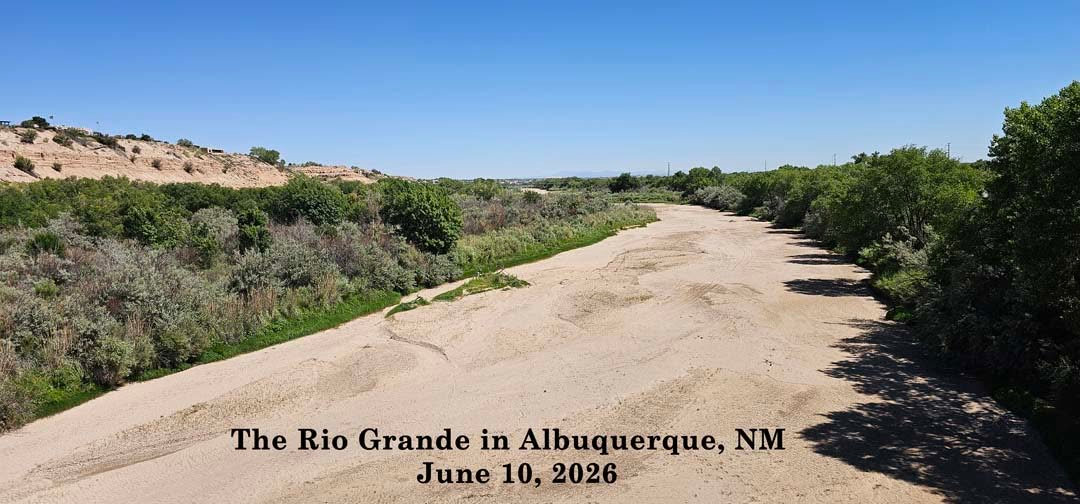
Data centers need water. The Rio Grande needs relief.
Data centers use water directly for evaporative cooling and indirectly through the power plants that generate their electricity. The indirect water footprint alone was estimated at roughly 211 billion gallons in the United States in 2023.
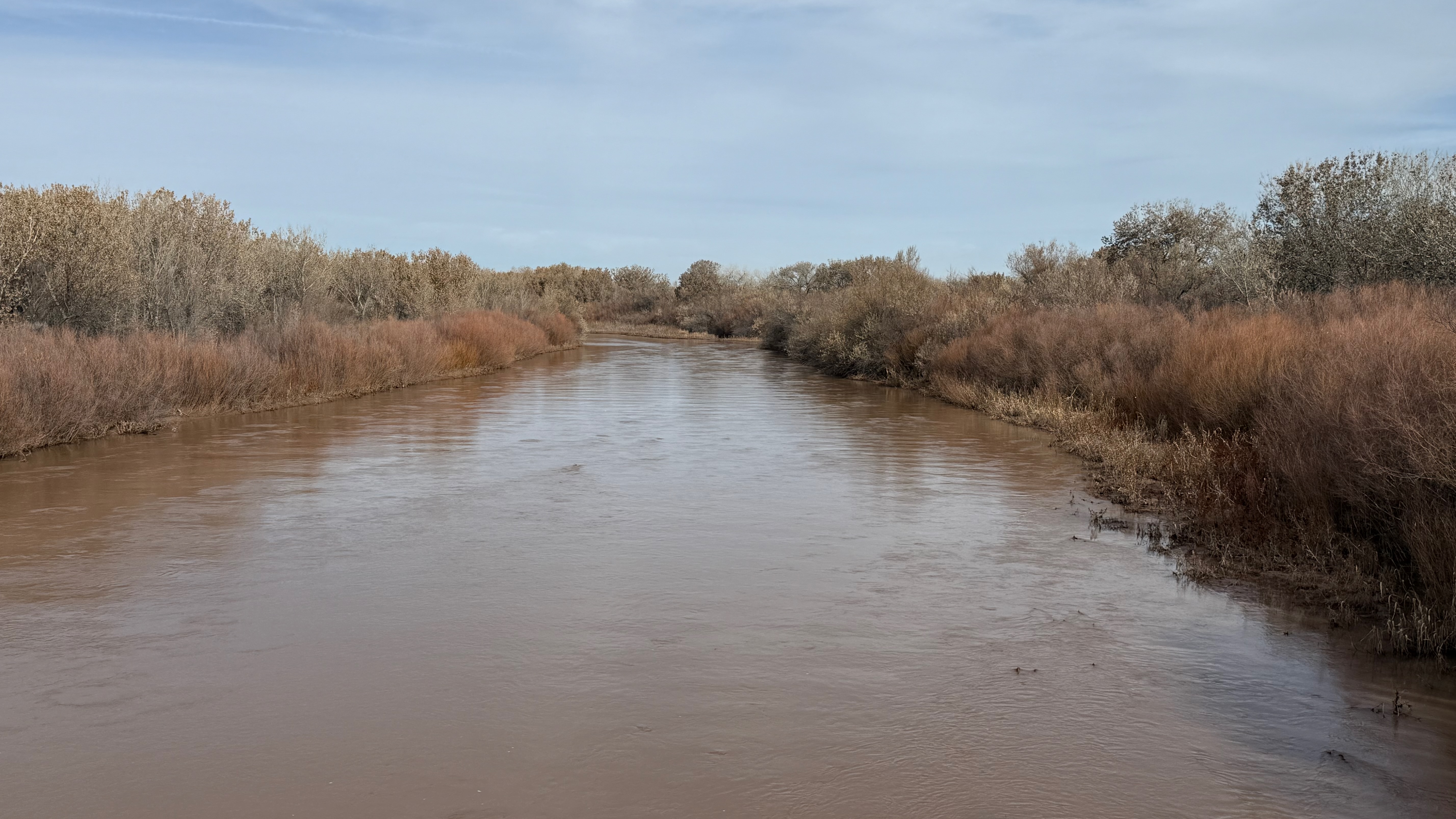
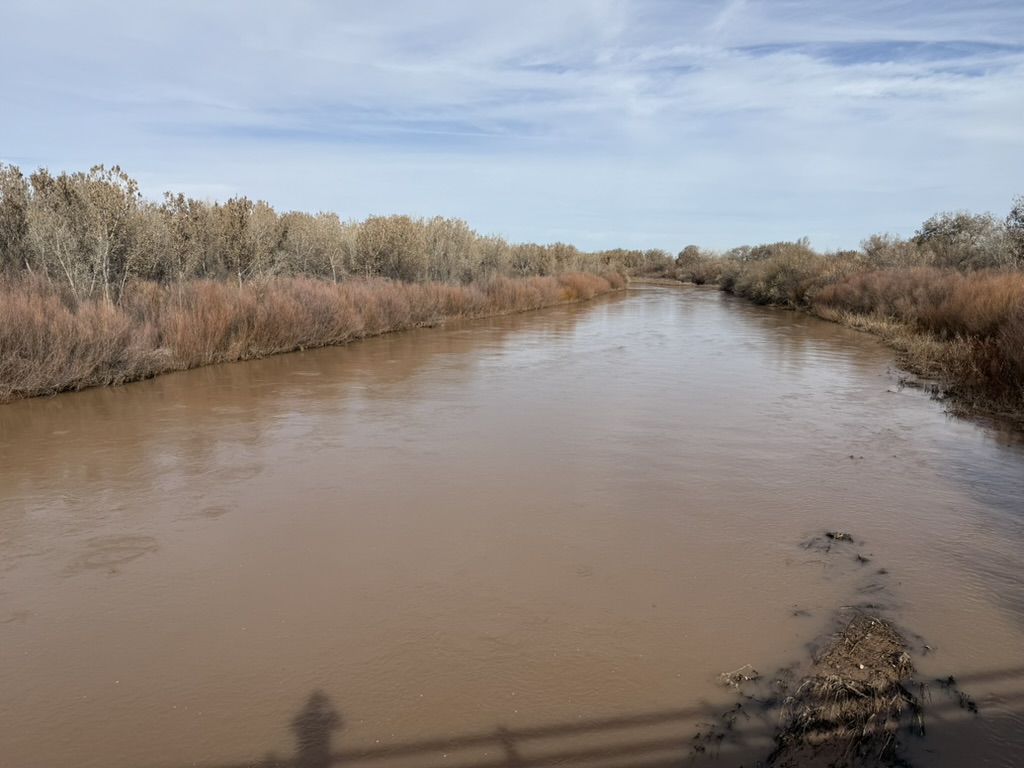
Salt cedar, also called tamarisk, forms dense thickets along western rivers. It tolerates salinity, crowds out cottonwood and willow habitat, concentrates salts in soil, and keeps drawing water through long, hot growing seasons.
Offset math
Acres required for X gallons
The working model is simple: one restored acre offsets the gross annual evapotranspiration of dense salt cedar on that acre.
100,000,000 gallons requires 81.3 acres of salt cedar removal.
This is a gross ET offset, not a guaranteed acre-foot delivery claim. Verified water benefit depends on density, groundwater access, follow-up control, native revegetation, and river reach hydrology.
One billion gallons of annual data center water use maps to about 813 acres of dense salt cedar removal.
The machine
Kineo is building robots for the work people cannot scale by hand.
Salt cedar removal has to be precise. Cut the wrong way and the plant resprouts. Bring in heavy equipment everywhere and the river corridor gets damaged. Kineo Earth is developing autonomous ground robots that identify salt cedar, navigate rough riparian terrain, and remove plants mechanically at the crown or root.
The platform pairs NVIDIA Jetson Orin edge processors with ArduPilot autonomous navigation, giving each robot the onboard compute and field control stack required for long runs outside reliable connectivity. Custom image models run on the vehicle to separate salt cedar from native riparian plants, localize stems and crowns, and feed removal targets back into the motion and actuation system.
The goal is a repeatable field unit: map acres, classify vegetation, remove invasive biomass, verify completion, and return for maintenance before regrowth erases the water benefit.
Partners
Working with people who understand land, water, and hard engineering.





Inquiries
Schedule a discussion to find out more.
Talk with Kineo about water offsets, salt cedar removal, field pilots, partner projects, or data center water accounting.
Commit acres
Pledge a water offset before the next campus breaks ground.
Reserve removal capacity by acre and share a short statement you can use to explain how you are offsetting water usage with Kineo.
Source Notes
Water estimates use public research and agency figures: EESI summarized a federal estimate of 211 billion gallons of indirect U.S. data center water consumption in 2023; USGS reported annual salt cedar water use of about 1.15 meters per year in measured lower Colorado River stands; published invasive plant management research has reviewed water loss and salvage in saltcedar stands; NPS describes salt cedar as a high-water-use invasive plant in New Mexico riparian areas.